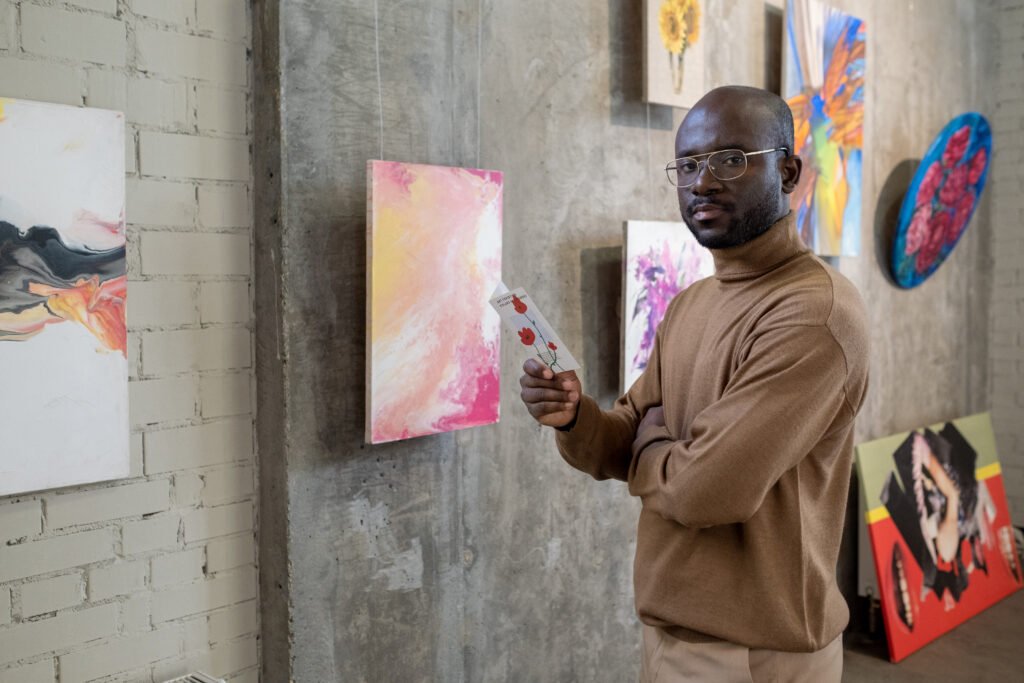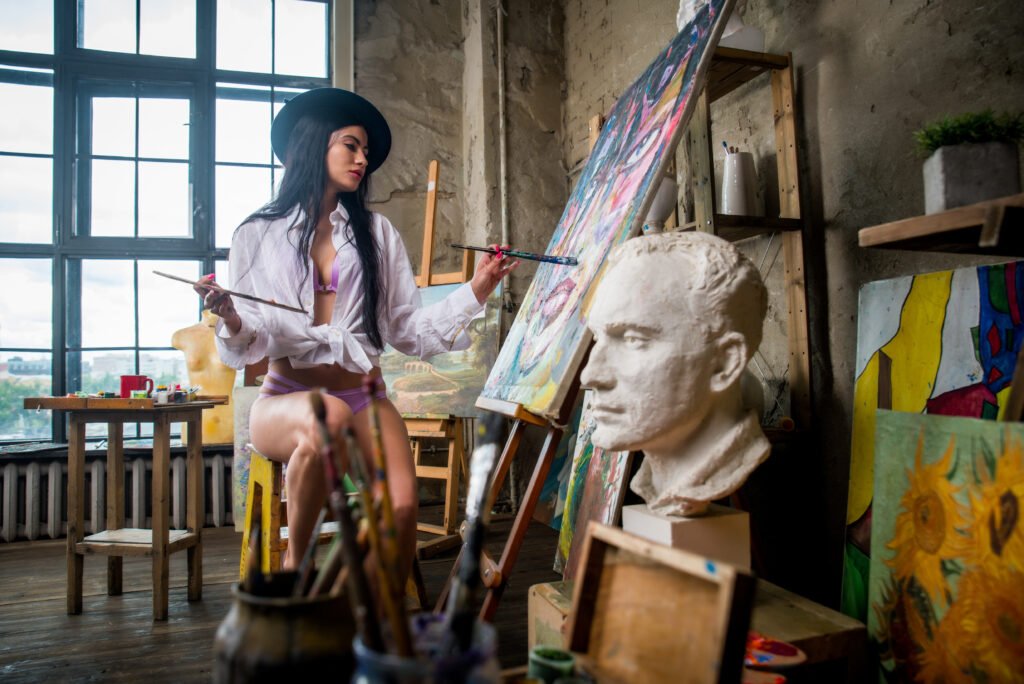
21st-century art reflects the complexity of contemporary life. Amid the fast pace of cities, information overload, and constant technological shifts, artists have embraced chaos as a valid aesthetic. This approach resonates with urban life and with new ways to buy abstract art, as abstraction allows for free and emotional interpretations of daily life.
The sounds of the metropolis, the glow of billboards, and the rapid flow of social media inspire works blending visual elements, vibrant colors, and deconstructed strokes. This environment shapes both artistic creation and the market, which now offers various opportunities to buy art online, connecting collectors and galleries worldwide.
Chaos as an Aesthetic Language
The idea of chaos in contemporary art is tied to the concept of fragmentation. According to the study The Urban Soundscape and Contemporary Art from the University of London, published in 2021, artists reinterpret urban noise as an aesthetic phenomenon, crafting compositions that mirror the fast-paced life and contrasts of big cities.
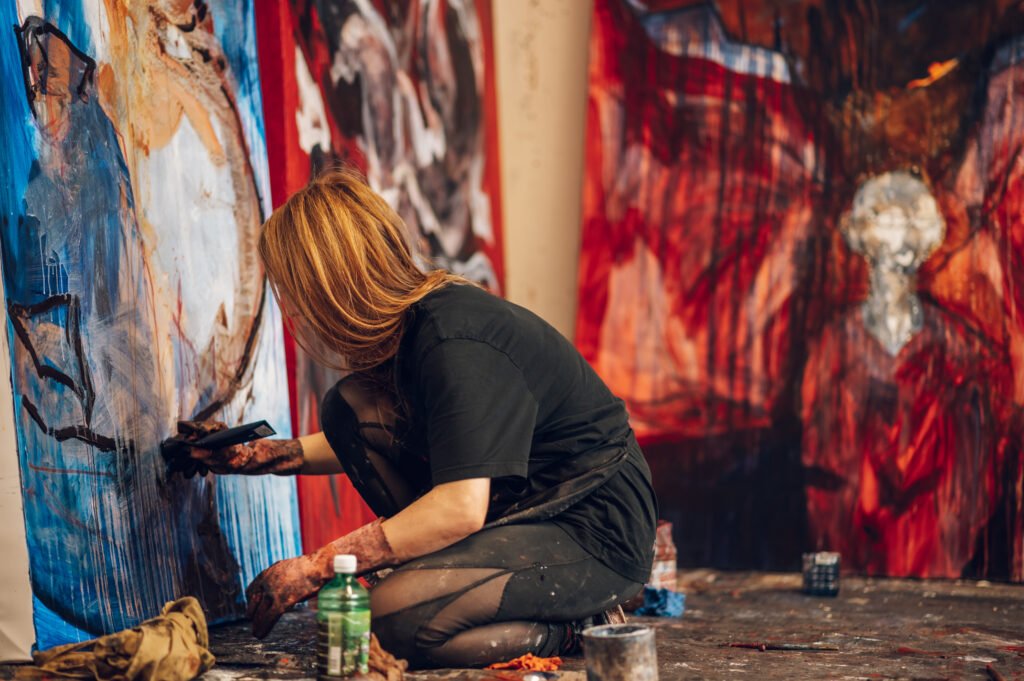
Abstract art perfectly fits this context. Paintings with layered textures, swift brushstrokes, and bold colors convey movement and disorder. Such pieces have become popular among those looking to buy abstract art for decoration, as they bring unique energy and sophistication to interiors.
Artists like Jackson Pollock, in the 20th century, explored the aesthetics of chaos, but contemporary creators reinterpret this concept through digital techniques and interactive installations. This blend of tradition and innovation strengthens the sale of abstract art and attracts new collectors.
21st-Century Art: Market and Digital Platforms
The digitalization of the art market has expanded access to works representing urban aesthetics. According to the Art Market 2023 report by UBS and Art Basel, about 30% of global art sales were made online last year—a significant increase compared to previous decades.
For those seeking the best places to buy art, digital platforms have become essential. They showcase catalogs featuring both emerging and renowned artists, simplifying the buying process while ensuring authenticity. Thus, buying art online has evolved from a niche practice to a mainstream approach for collectors of all kinds.
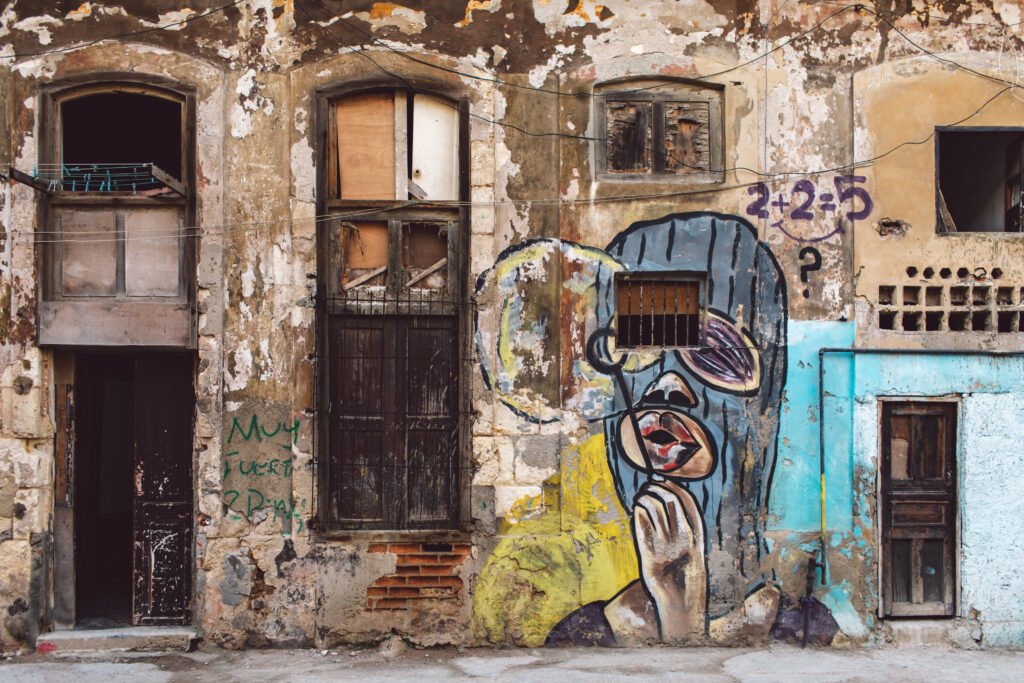
Additionally, the market has seen rising demand for works with strong ties to social and urban contexts. The aesthetics of chaos, for example, are highly valued for capturing emotions and conflicts inherent to modern life. As a result, international galleries and art fairs increasingly highlight artists working with abstract and urban themes.
Art, Technology, and Interaction
The presence of technology in visual arts has created new ways to explore chaos as an aesthetic. Digital installations, interactive projections, and augmented reality deliver immersive experiences that engage audiences in unique ways. These works, often abstract, reflect urban noise through overlapping sounds and visuals, generating striking effects.
Moreover, the use of artificial intelligence in artistic creation is revolutionizing contemporary production. Artists leverage algorithms to recreate chaotic patterns, translating city life into canvases, sculptures, and digital experiences. This fusion of technology and abstract art drives both collectors and enthusiasts to view these works as valuable cultural and aesthetic assets.
Thus, 21st-century art reaffirms itself as a space of resistance, innovation, and emotional expression. Urban chaos, far from being mere disorder, becomes a source of inspiration and a powerful visual language.